Biodiversity
Increase the cumulative number of trees planted within the Company’s premises and local communities to at least 3,000 by 2029, compared with the 2023 baseline.
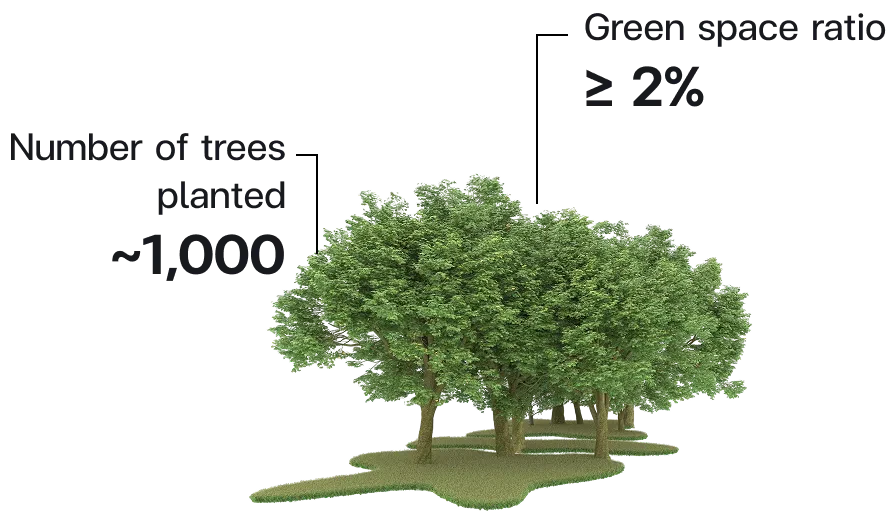
Plant at least 1,000 additional trees per year, while monitoring the number of trees planted and their survival rate.
Maintain green areas within operational sites at no less than 2% of the total area.
Conduct at least one biodiversity conservation and restoration activity with local communities each year.
Maintain zero significant incidents arising from operations that adversely impact ecosystems each year.
Design and development of areas based on Green Architecture and Sustainable Site Planning concepts.
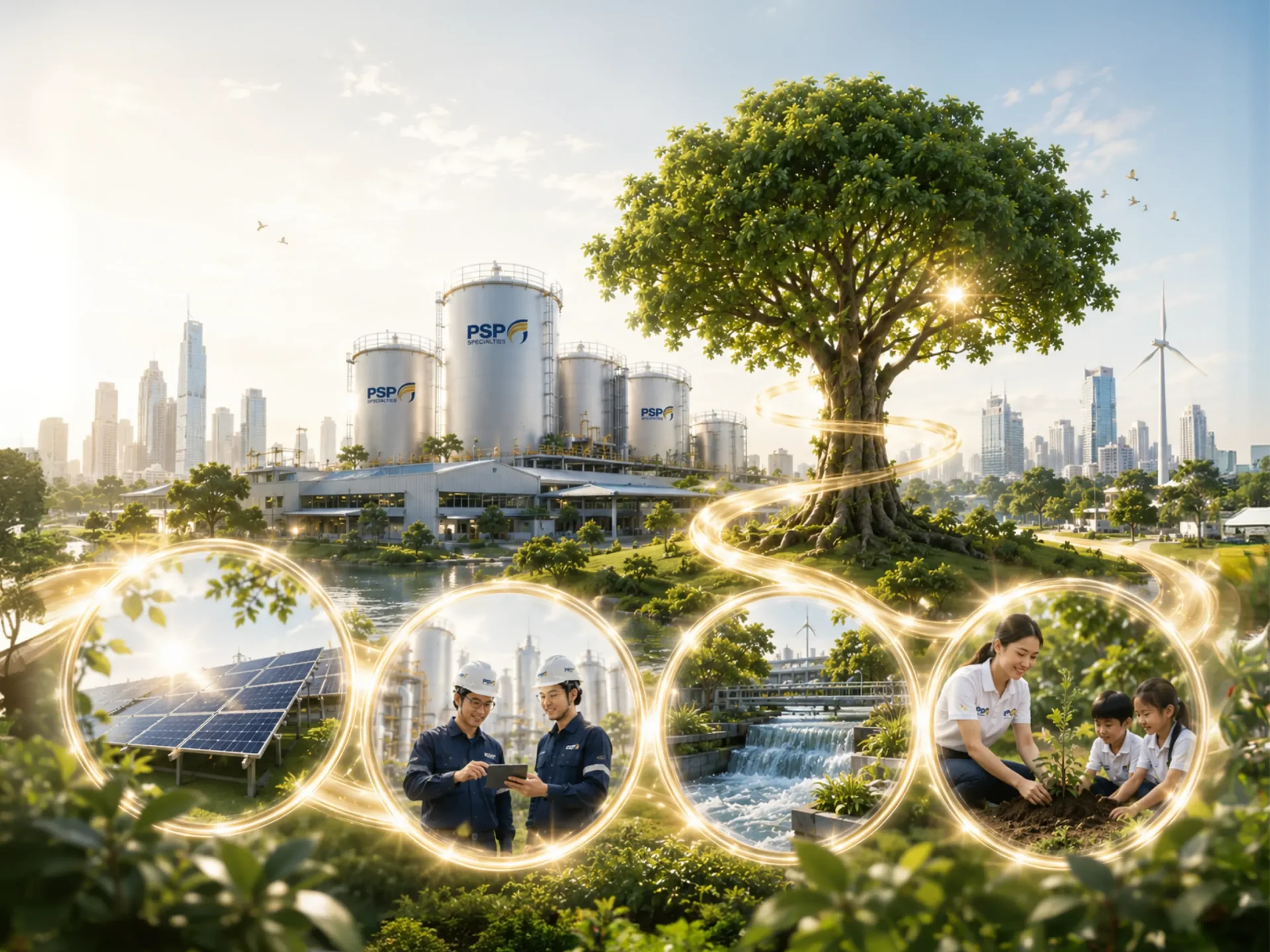
Ongoing implementation focusing on building and landscape design in harmony with the surrounding environment, enhancing natural ventilation and daylight utilization, planting large trees around buildings, and using energy-efficient equipment (e.g., LED lighting).
Expansion of Green Areas and Tree Planting
Approximately 1,000 trees were planted, alongside the maintenance of green space ratios and support for environmental restoration both within the Company’s premises and surrounding areas.
Promotion of Community Engagement Activities
Environmental activities are conducted in collaboration with local communities at least once per year.
Biodiversity Risk Assessment
Risks that may arise from operations are assessed in order to develop preventive and mitigation plans, as well as to define future management approaches.
Control and Prevention of Ecosystem Impacts
No environmental complaints were received (cumulative: 0 cases).
Foundational Governance and Management Framework Establishment
In 2025, the Company became able to establish a complete set of quantitative indicators for the first time, reflecting a systematic and continuously monitored management foundation. Operations were conducted under the Green Architect and Sustainable Site Plan concepts, supporting both energy conservation and biodiversity management in an integrated manner.
Challenges and Opportunities
Biodiversity represents both a strategic risk and opportunity for the Company’s operations, as business activities involve the use of natural resources, land utilization, and surrounding environmental management, which may affect local ecosystems and communities. The Company therefore conducts a comprehensive analysis of these issues to establish appropriate management approaches aligned with the local context.
Challenges
The first key challenge arises from certain operating areas of the Company being connected to coastal ecosystems and mangrove forest areas, which are critical natural resources for maintaining ecological balance, serving as nursery grounds for aquatic species, preventing coastal erosion, and supporting carbon sequestration. Operating in such environmentally sensitive contexts requires a high level of caution to avoid impacts on habitats and species diversity. In addition, land use, consumption of natural resources in production processes, and environmental changes resulting from organizational activities present further challenges that must be managed throughout planning, design, and site development stages to minimize risks to surrounding ecosystems and natural resource integrity.
On the other hand, the Company also faces limitations in data collection, as biodiversity-related indicators during 2023–2024—such as the number of trees planted, green space ratio, and community engagement activities—were not systematically collected in accordance with scientific standards. This limits the ability to track historical trends and compare performance over time, posing a challenge for enhancing continuous disclosure. Moreover, proactive risk management requires a comprehensive and systematic monitoring and assessment system, which is currently under further development to ensure greater completeness and effectiveness.
Opportunities
In terms of opportunities, environmentally friendly site design under the Green Architect and Sustainable Site Plan concepts enables the Company to reduce ecological impacts while improving energy efficiency through enhanced natural ventilation and daylight utilization, the use of energy-efficient equipment, and the planting of large trees around buildings to reduce heat accumulation. These measures deliver integrated benefits in terms of environmental performance, energy cost reduction, and employee well-being.
In addition, increasing green spaces and conducting environmental activities in collaboration with local communities provide opportunities for the Company to strengthen relationships and build trust with surrounding communities, particularly in areas connected to coastal ecosystems and mangrove forests. This supports the coexistence of business operations with communities and natural resources in a sustainable manner. Furthermore, the development of a more systematic biodiversity risk assessment and monitoring framework represents an important opportunity to enhance preventive management practices and establish a strong foundation for future disclosure requirements on nature and biodiversity at the international level.
Management Approach and Value Creation
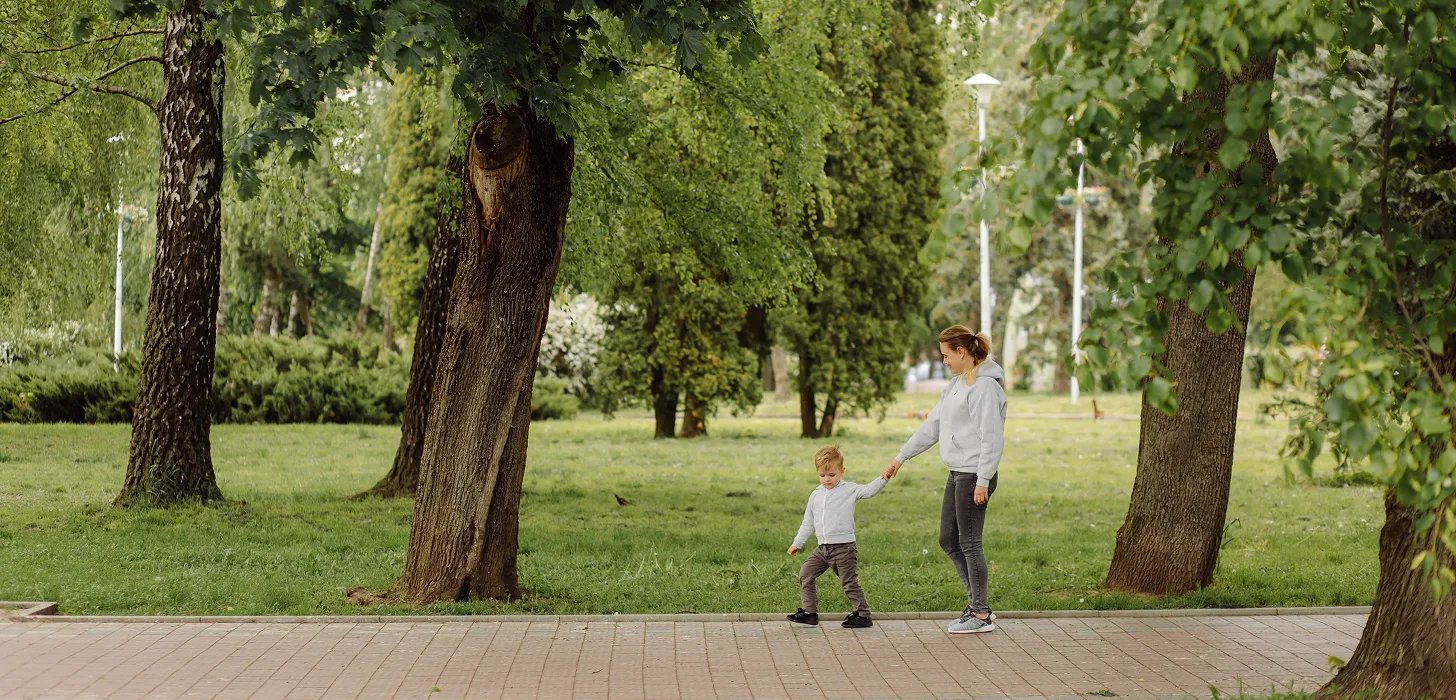
The Company manages biodiversity under the Green Architect and Sustainable Site Plan concepts, aiming to ensure that business operations coexist in harmony with nature. The precautionary principle is applied as the primary approach, prioritizing the avoidance and minimization of impacts from the planning, design, site improvement, and operational stages. This includes preserving existing green areas, designing buildings in harmony with the surrounding environment, enhancing natural ventilation and daylight utilization, and selecting energy-efficient equipment, alongside expanding green spaces both within operational sites and surrounding communities.
Green Architect and Sustainable Site Plan concepts
- Design buildings and operational areas with consideration for coexistence with nature and minimizing impacts on surrounding ecosystems.
- Promote natural air circulation and design open spaces to reduce reliance on air conditioning systems.
- Maximize the use of natural light, particularly in key functional areas such as meeting rooms and common spaces, to reduce electricity consumption during daytime hours.
- Plant large trees and expand green areas around buildings to provide shade, reduce heat accumulation, and enhance the overall greenery of operational sites.
- Design common areas such as activity spaces, dining areas, and walkways to integrate with the natural environment and support shared use.
- Select equipment and systems that improve energy efficiency, such as LED lighting and appropriately designed lighting layouts.
- Plan site layouts and building design in alignment with the local context, taking into account the preservation of existing green areas and minimizing environmental disturbance.
Concept for enhancing biodiversity
- Continuously increase green areas within factory and office premises, as well as in surrounding areas.
- Plant large trees and develop landscaping around buildings to increase shade, reduce heat accumulation, and create a more pleasant environment.
- Select plant species appropriate to the local context and environmental conditions.
- Regularly maintain green areas to preserve their integrity and support biodiversity.
- Support tree-planting and environmental restoration activities both within the Company’s premises and in surrounding communities.
- Increase green spaces as a measure to reduce environmental impacts from business operations and enhance the quality of life for employees and local communities.
- Monitor the progress of green space expansion against defined targets and key performance indicators to ensure continuous and tangible outcomes.
Stakeholders Directly Impacted